2018: Going North Again – Update 6

It’s difficult to believe but our Cape York adventure is finished and we have enjoyed every bit of it. We have spent a month travelling from Karumba to the tip of Cape York and back to Cooktown, driving slowly and stopping frequently at interesting places.

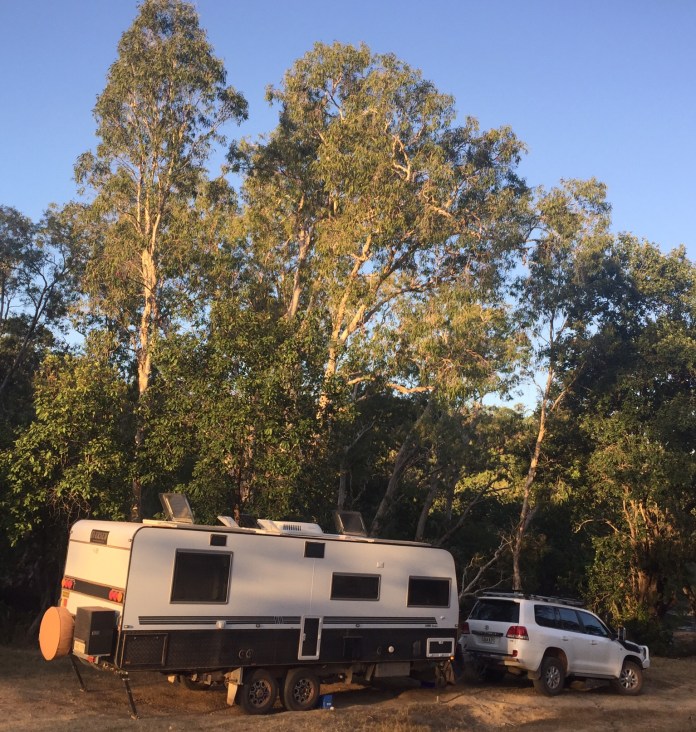
After our previous update from Weipa the road was mostly quite good for 120km until Merluna Station, about 8 km off the main road. Merluna is a working cattle station that now has a good reputation as a place to camp. There are several shady trees, a small swimming pool, and they serve a meal for anyone who wants to join the road workers who use the station as a base. Sunrise on a cool morning was pretty.

Going further south the roads became very rough again, with severe corrugations, but the occasional sealed sections were a welcome respite. We stopped overnight at Musgrave road house, one of only 2 of the old telegraph stations still standing, camping at the rear of the road house with 5 other caravans. It was interesting to see the road house staff feeding freshwater crocodiles and turtles in the lagoon near the area.

We then headed east toward Lakefield National Park, calling into Lotusbird Lodge on the way, where we took a walk around the beautiful lagoon filled with white lilies. We kept an eye out for crocodiles; they are there but we couldn’t see them.

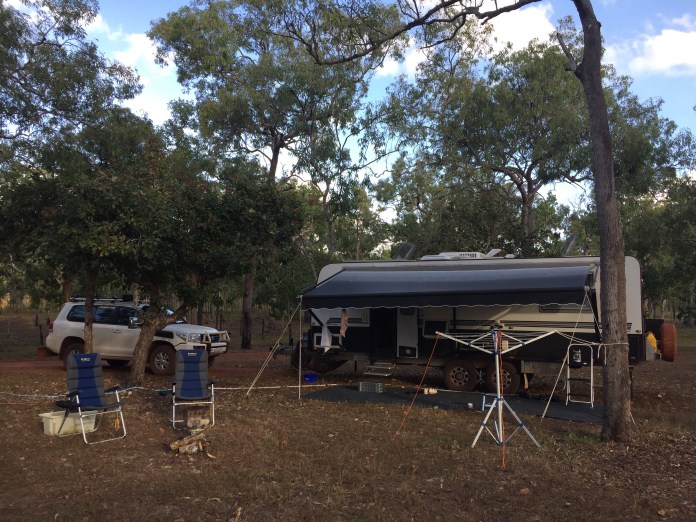
Lakefield National Park is huge. The road is said to be unsuitable for caravans and much of it is very bad. For about 40 km we drove at 30-40 kph but sometimes we could speed along at 50 kph. The narrow, winding track into one lagoon camp area had dry creek crossings and we got bogged in the sand at one stage, having to dig our way out.

The corrugations and bull dust holes are difficult to see until the last moment. Lots of people camp here, spending their time fishing for barramundi but we just relaxed beside a river.

As we traveled east toward Cooktown we realised that we didn’t really want to be in civilisation yet so we stopped at Endeavour Falls caravan park, about 30km out of Cooktown. The park is beautiful, very quiet and with lots of shade, although we didn’t need shade because it rained for the first time since leaving Adelaide. The water fall beside the park is nice; what a pity we can’t swim there.

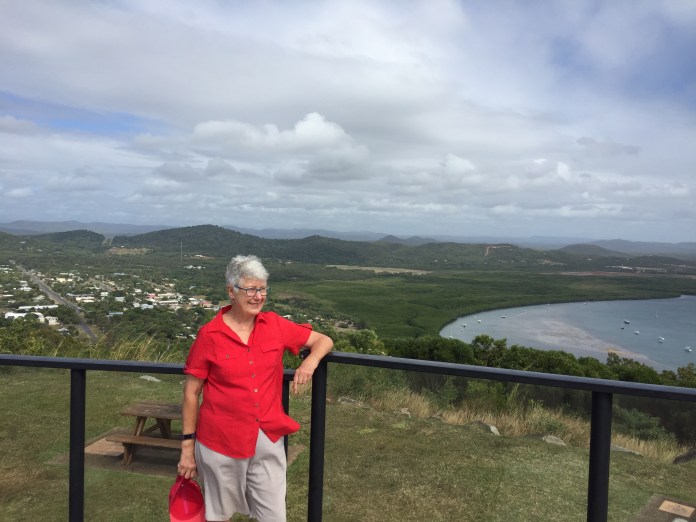
Cooktown is a nice town, bigger and better than we remember from our previous trip here 9 years ago. It has several cafes, pubs, shops and a good supermarket. The lookout from which Captain Cook viewed the surrounding land and waters provides a good view of the town.
Today we were to head south for Cairns morning, ready to stay a couple of nights there then fly further south to Melbourne for a week to see our grandchildren. Unfortunately we had a caravan brake problem after leaving the caravan park and we are waiting (5 hours after we tried to depart) for the brakes to be repaired. Lucky it happened here, not on some outback track where repairs can’t be done easily. Hopefully we’ll get on the way soon and free camp somewhere along the road to Cairns.

Bye for now, from Ted and Jo in Cooktown
Standard

2018: Going North Again – Update 5

After 5 days at the Top it was time to head south again. Our camp site at Loyalty Beach was great but we can’t stay forever.

First stop was the Jardine River Ferry. Not much traffic going south but we could see about 10 vehicles on the other side, waiting to go north. We heard later that at times there were up to 20 vehicles in the queue to cross the diver going north. Imagine what it will be like once school holidays start in a couple of weeks.

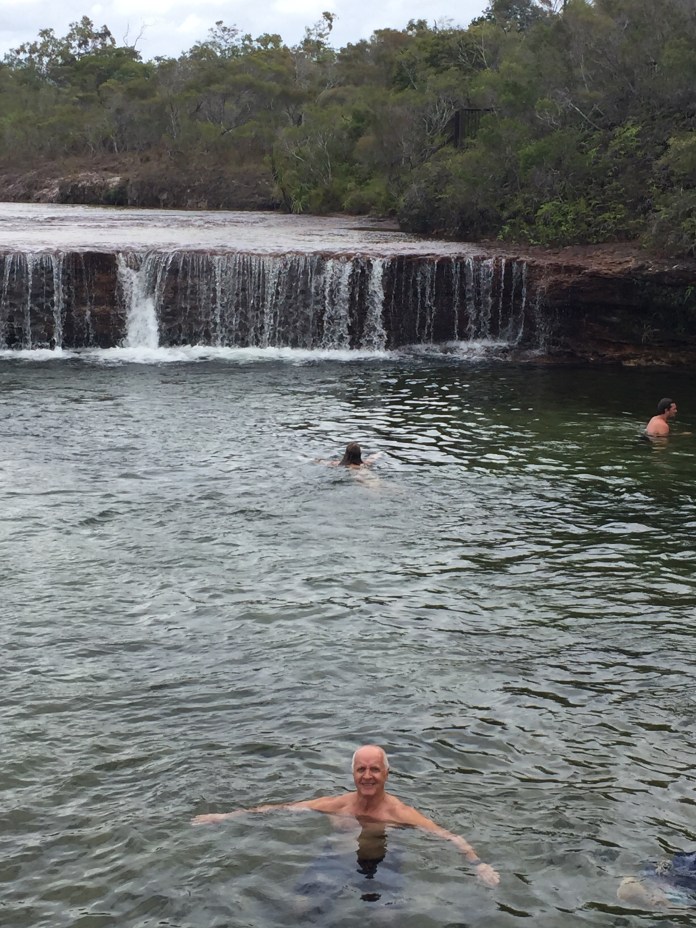
Next stop was the wonderful Fruit Bat Falls, a 2 metre fall, about 80 to 100 metres wide across Elliot Creek, where swimming is possible both above and below the falls. The water is clear, cool Nd croc-free and well worth the short 3 km drive along a narrow, winding track from the main road.

We are not in a hurry so we spent a couple of nights at Bramwell Station, where we had camped on the way north. The termite mounds throughout the Cape are huge but here they seem to be even bigger.

We are now at Weipa, apparently the Barramundi fishing capital of Australia. It’s a bauxite mining town and larger than we expected. The charter boats were booked out so Ted couldn’t go fishing but we enjoyed our time at the caravan park on the beach. Sunset was dull compared to Brighton but the evening was very pleasant. What a pity the crocodiles prevent swimming here.

Tomorrow we will go about 120 km south-east and spend a couple of nights at Merluna Station, on our way to Cairns.

Bye from the Cape. Love to all.

Ted and Jo

Standard

2018: Going North Again – Update 4

Laura is just a small town at the end of the bitumen so we stayed one night and headed north along the roughest road we have been on, severe corrugations and steep creek crossings. Cars without a caravan can travel fast over the corrugations but we have to travel much slower, sometimes down to 20 kph, but our average speed has been generally about 50 kph.

We camped overnight at a nice camp site beside a river at Coen with new friends whom we met on the road.

230 km later we camped at Bramwell Station with 300 of our closest friends – the camp site is huge so it didn’t feel crowded. A great meal and an entertaining singer made an enjoyable evening.

The road keeps getting rougher but the car and caravan are coping well. The access and exit from the Jardine River ferry were very steep but our van is high enough not to be troubled by it.

There are lots of crocodiles here but we didn’t see any. 50 km later we set up camp at Loyalty Beach, near Bamaga. It is a huge “bush camp” beside the beach, with wide open camp sites, shady trees, toilets and showers plus power and water. It’s not luxurious but it’s comfortable and quiet. Unfortunately the risk of crocodiles here is too high to chance a swim.

From Loyalty Beach we drove about 30 km along a sandy track, then a recently graded road, then another sandy track, through beautiful rain forest, to the parking area near the tip of Cape York. A 15 minute walk on a rocky, hilly track brought us to the Tip, the most northerly point of the Australian continent. We drove 5000 kms over 3.5 weeks to get here and it felt pretty good. The land behind us in an island.

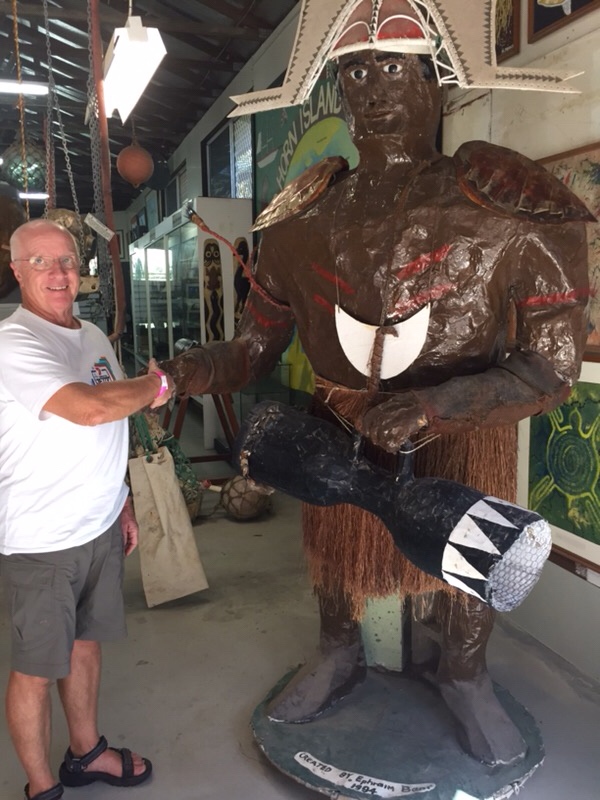
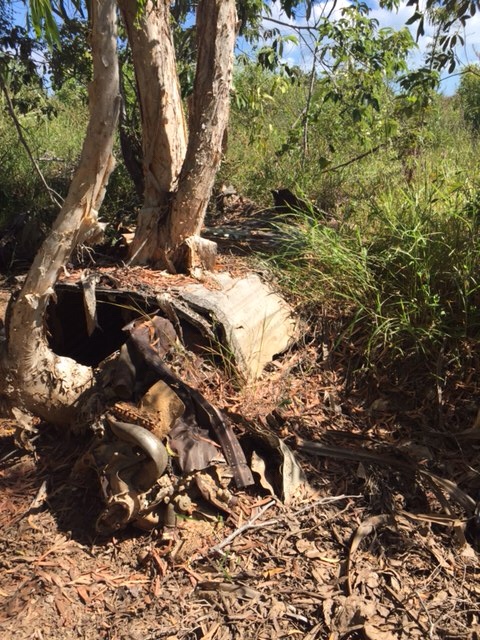
Yesterday we caught a ferry to Thursday Island (TI) and Horn Island. TI, with 3000 inhabitants, is the administrative centre of the Torres Strait region. Horn Is. is much larger but has only 700 inhabitants. Both islands have a strong Islander culture and an interesting military history, dating back as far as the late 1800’s. We met a warrior chief who had been a great head hunter before converting to Christianity, saw a WW2 plane wreck that is soon to be excavated and artillery guns installed in 1890.

Today is R-and-R; laundry, filling water tanks, emptying the toilet cassette – exciting!

In a couple of days we will start going south again. We could do the trip in 4 days but we’ll take it slowly and take 2 weeks.

Bye from the Tip of Australia

Standard

2018: Going North Again – Update 3

Hi again

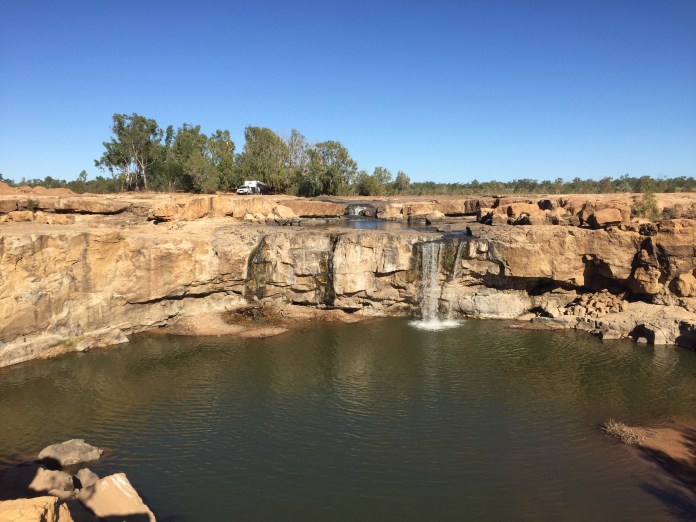
On our way to Normanton we camped for 2 nights at Leichhardt Falls, enjoying a swim in the cool fresh water below a small water fall. We camped beside the river (presently just a creek) at the top level and swam in the pool the middle level – but the risk of crocodiles in the bottom level was too great so we didn’t swim there.

Leichhardt Falls; we swam in the small pool at the middle level.

Normanton is a town of about 1500 inhabitants, about 40 km from the Gulf of Carpentaria on the Norman River. The famous explorers, Burke and Wills, camped near here before making their final push to the ocean 170 years ago. It is amazing that they made it here from Melbourne, the first Europeans to cross the continent from south to north, without the technology and knowledge that we take for granted today. A prominent feature in the town is a replica of an 8.6 metre crocodile that was shot near here in the 1960’s.

Karumba is only 70 km from Normanton and we enjoyed it more. The caravan park is quiet (because everyone goes fishing for the day) and our site was very shady. Only about 500 people live here and they talk very proudly of their fishing (this year is the worst for 20 years, Ted’s fishing trip was not very successful) and their sunsets (not as good as ours at Brighton) but we still had a good time.

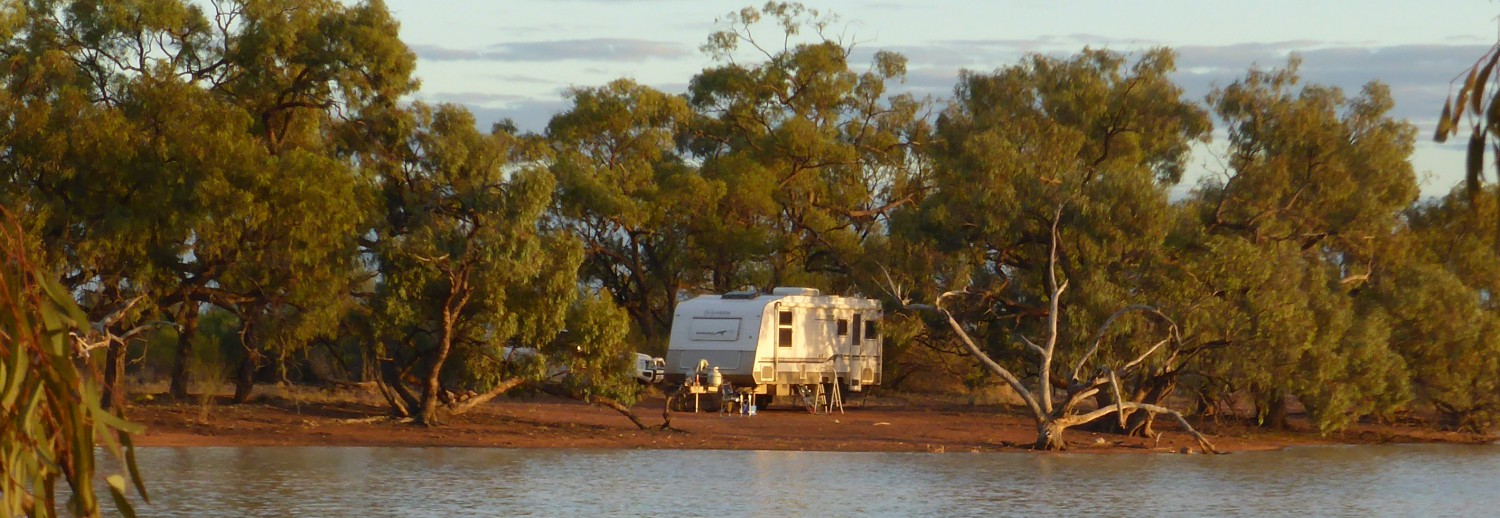
On leaving Karumba we took a 540 km rough road to Chillagoe. The short cuts to the tip of Cape York that we had intended taking did not eventuate because of roads being closed so we had to go via Chillagoe. Along the way a camp site beside the Gilbert River was very peaceful, with a clear sky reflecting in the blue water and freshwater crocodiles sun baking on the sand bank opposite.

Further along the track we camped beside the road in a very remote location, with only 2 vehicles going past during the night. The sunset reflecting on the side of the dusty caravan looked pretty.

This was one of the roughest roads we have been on – corrugations, bull dust holes, deep ruts, rocky stretches, washaways and dips, quite deep creek crossings, with an average speed of less than 50 kph. We saw hundreds of cattle, brolgas, wallabies, bustards, red-tailed black cockatoos, 2 snakes, eagles, jabiru and lots of large hawks – a very interesting 3 days.

Chillagoe is an interesting town because of its limestone caves but we did a cave tour here 9 years ago so didn’t see them this time. High quality marble is mined here, so good that some is exported to Italy, and large blocks of marble can be seen all over the district.

Today we drove 380 km to Laura and we can now say that we are on Cape York. Tomorrow the real fun starts as we head north for 3 weeks before returning to civilisation again in Cairns.

Hope everyone is well, as we are. Love from Ted and Jo

Standard